
How Long is the Journey? Ferry Times and Distances from Miami to the Bahamas
Crossing international waters before lunch sounds like a tall tale from an old salt, but the geography of South Florida makes it an everyday reality. Island time waits for no one, but it rewards the prepared, and that preparation starts long before your shoes hit the deck. When travelers start planning a day getaway, calculating the exact miami to bahamas distance and understanding the physical water mechanics across the Florida Straits is what separates a smooth trip from a stressful mess. I have skippered private charter craft through these deep channels for decades, and the biggest mistake folks make is mistaking a map’s straight line for an easy highway drive.
The Geography of the Straits: Distance and Nautical Miles
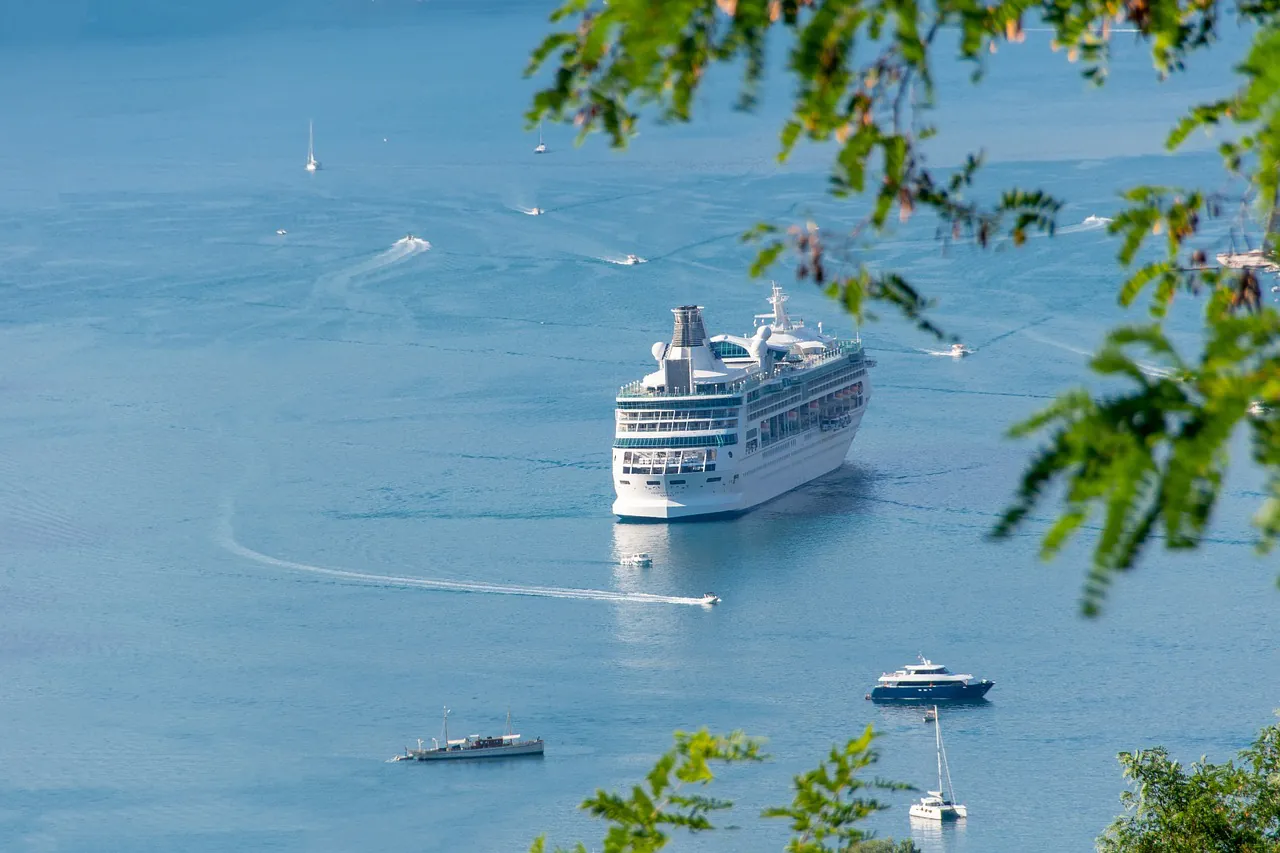
The shortest path between mainland Florida and the archipelago is the channel separating Fort Lauderdale and North Bimini. The miami to bahamas distance across this open stretch of ocean is approximately 50 to 51 nautical miles, which converts to roughly 58 statute miles on land. South Florida is the closest part of the United States to the Bahamian territory, making Bimini the immediate gateway for short water excursions.
Navigating this body of water means crossing the Florida Straits, a deep marine trench that houses the northern flow of the Gulf Stream. Because you are traveling across a major ocean current moving northward at three to four knots, a vessel’s course heading must account for drift. A boat running due east from the coast actually tracks a sweeping curve across the blue water. Understanding these nautical miles helps explain why vessel speed and sea conditions directly dictate your arrival time at the dock.
The Port Realities: PortMiami Departure Misconceptions
A common mistake among first-time visitors is assuming the commercial passenger ferry departs directly from Downtown Miami’s cruise terminals. The main high-speed ferry service, operated primarily by Baleària Caribbean on vessels like the Jaume II, departs from Terminal #21 at [Port Everglades Official Website] in Fort Lauderdale (located at 2021 Eller Dr., Hollywood, FL 33316). This terminal location sits roughly thirty to forty-five minutes north of Miami depending on highway traffic.
You can read full breakdown details on our dedicated transportation logistics hub to coordinate morning rideshares or personal vehicle parking. Skipping this extra driving calculation causes missed boarding gates every week. If you show up at PortMiami looking for the 9:00 AM passenger catamaran to Alice Town, you will end up watching cargo cranes instead of ocean waves.
High-Speed Ferry Specifications and Speed Dynamics
Commercial passenger transit across the Straits relies on dual-hull high-speed catamarans engineered specifically for ocean passages. The aluminum twin hulls provide a wide beam stability that handles ocean swells much better than a single-hull boat. Powered by waterjets, these ferries maintain an operational cruising speed between 32 and 35 knots (roughly 37 to 40 miles per hour).
Under standard operational parameters, total miami to bahamas boat time onboard the vessel is right at two hours from harbor entrance to harbor entrance. This speed allows a 50-nautical-mile ocean crossing to take less time than many suburban commuter trains. Fares typically start around $115 one-way plus port taxes, with full round-trip day packages ranging between $199 and $230 per person. Travelers looking to review official entry protocols before booking ticket tiers can check the [U.S. Customs and Border Protection] portal for international border requirements.
| Route Segment | Distance / Scale | Average Duration | Primary Transport Type |
|---|---|---|---|
| Miami Downtown to Port Everglades | 30 Statute Miles | 35 to 50 Minutes | Car / Shuttle Bus |
| Port Everglades Terminal 21 Check-In | Port Security Zone | 2.5 Hours Prior | Foot / Customs Line |
| Port Everglades to Bimini Cruise Port | 50 Nautical Miles | 2 Hours (Dock to Dock) | High-Speed Catamaran |
| Bimini Port to Alice Town Center | 1.2 Statute Miles | 10 Minutes | Golf Cart / Tram |
Breaking Down the Clock: Exact Timeline of a Morning Departure
Precision timing is the bedrock of maritime scheduling, and international ferry operations follow rigid clockwork. Terminal gates at Port Everglades open early, requiring passengers to arrive 2.5 hours prior to the scheduled 9:00 AM sailing. Terminal doors close strictly at 7:50 AM for final passport verification and passenger manifest confirmation. If you arrive at 7:55 AM, the doors are locked, regardless of whether you hold a confirmed ticket.
Once checked in, passengers board the vessel around 8:30 AM. Lines are cast off at 9:00 AM sharp, and the vessel maneuvers out through Port Everglades channel past John U. Lloyd Beach. By 9:20 AM, the catamaran is clear of the sea buoy, throttles drop, and the ship accelerates into its 32-knot cruise across the open Atlantic. By 11:00 AM, the vessel is tying up at the Bimini Cruise Port in North Bimini. Check our detailed guide on passport documentation rules to ensure your paperwork is verified long before terminal gates close.
Captain’s Log: Sea state update for the Florida Straits: Gulf Stream currents move fast, and wind direction dictates the ride. Always pack your seasickness pills in your hand luggage rather than checked bags so you have them ready before teh ship drops its lines.
Navigating the Gulf Stream: Sea State and Journey Times
Sea state conditions govern every nautical transit. On calm summer mornings when a gentle south wind prevails, the Atlantic surface resembles a glass table. The catamaran glides smoothly, hitting its target two-hour dock-to-dock window effortlessly. During winter months or after cold front passages, strong northerly winds blow directly against the northward-flowing Gulf Stream. This opposition creates steep, short-period waves known as a “north wind chop.”
When wave heights exceed six feet in the channel, vessel captains slow down to reduce pitching and maintain passenger comfort. A heavy sea state can add fifteen to thirty minutes to the transit time. Travelers can check real-time marine weather advisories and wave forecasts through the [National Hurricane Center] prior to their travel date. Me and my crew always keep an eye on these forecasts because ocean currents demand total respect.
Comparing Transit Options: Ferry, Charters, and Flights
While the high-speed ferry is the most popular choice for day travelers, alternative modes of transport exist across the Straits. Commercial flights and regional seaplanes operate out of Fort Lauderdale (FLL) and Miami International (MIA) or Watson Island. Flying cuts air time down to thirty or forty-five minutes, though flight costs are substantially higher, often exceeding $300 to $700 per ticket.
High-Speed Ferry Transit
- Two-hour ocean crossing time
- Generous carry-on allowance (up to 26.5 lbs)
- Economy day-trip fares between $199 and $230
- Onboard snack bars and observation decks
Seaplane & Air Options
- 30 to 45 minutes flight time
- Direct landing at Alice Town or South Bimini airstrip
- Higher ticket prices ($350 to $700+)
- Strict weight limits on personal gear
Onboard Amenities During the Crossing
The two-hour crossing passes quickly if you make use of the ship’s layout. Modern passenger catamarans are equipped with air-conditioned main cabins, cushioned seating rows, and aircraft-style tray tables. Onboard cafeteria bars sell warm breakfast items, coffee, cold beverages, and snacks throughout the voyage. Premium seating tiers offer extra legroom and priority disembarkation privileges upon arrival at the island dock.
Passengers are allowed one complimentary carry-on bag with maximum dimensions of 22”x18”x10” and a maximum weight of 26.5 lbs, along with a small personal purse or backpack. Bringing beach towels, sun protection, and extra dry clothes in your hand luggage makes your immediate transfer to island activities seamless. You can review ticket options and amenity bundles on our tickets and booking page before making your reservation.
Arrival Logistics: Customs and Stepping onto Bahamian Soil
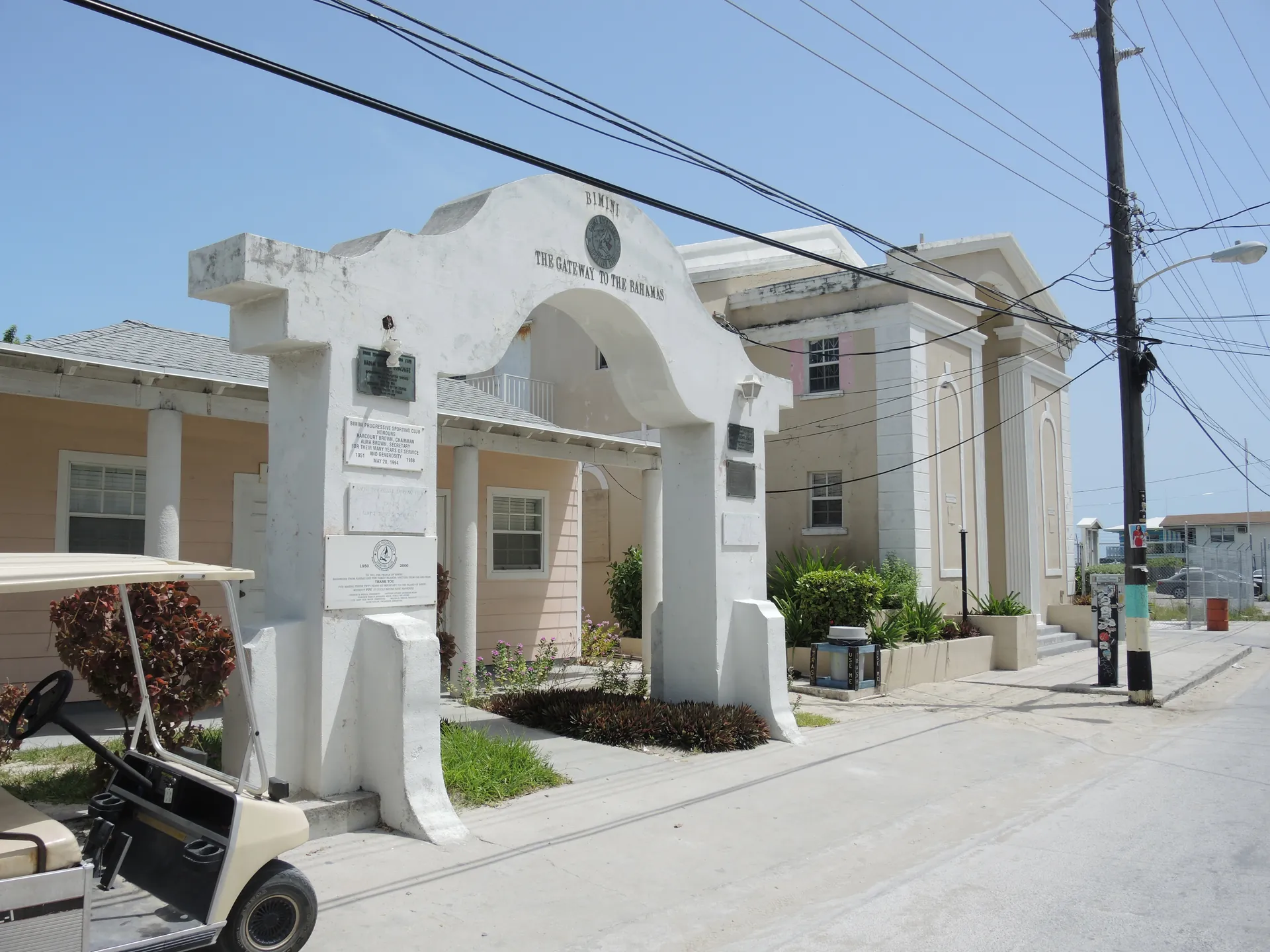
Upon arrival at Bimini Cruise Port in North Bimini, the ship docks along a dedicated concrete pier. Passengers disembark en masse to enter the Bahamian Immigration and Customs facility located right at the foot of the dock. A valid passport is legally required for travelers of all ages. Bahamian officers inspect travel documents, verify return ticket confirmation, and stamp passports.
Once clear of customs control, open-air trams and golf cart rental stands sit right outside the terminal gate. From the port, a short ten-minute golf cart ride brings you directly into Alice Town or north toward beach clubs and local seafood shacks. For details on what to explore during your afternoon, check out our guide on Bimini highlights and pig beach excursions to plan your limited ground hours efficiently. Don’t forget to sample authentic *conch salad*, a classic Bahamian dish made from diced fresh queen conch marinated in lime juice, orange juice, hot peppers, and fresh onions.
Return Journey Mechanics and Evening Schedules
Maximizing day-trip hours requires tracking afternoon schedules closely. The ferry typically schedules its return departure from Bimini at 6:00 PM. Return check-in at the Bimini port terminal closes strictly at 5:00 PM. That means all passengers must be back at the harbor, clear outbound immigration line checks, and be ready to board by late afternoon.
The evening crossing back to Port Everglades takes another two hours, arriving in Fort Lauderdale around 8:00 PM. Passengers then clear U.S. Passport Control and Customs inside Terminal 21 before heading out to thier vehicles or rideshare pickups. You can find additional timing tips inside our full day trip planning guide to structure your afternoon around these mandatory check-in windows.
Essential Rules of Thumb for Timing Your Excursion
Planning an international ocean transit is just like plotting a boat’s safe course through a narrow channel. Keep your travel documents organized in a waterproof sleeve, budget ample driving time for the morning trip up I-95 to Port Everglades, and respect the rigid terminal gate deadlines. Explore available water sports and land adventures on our excursions and activities page to build a realistic schedule.
Traveling fifty nautical miles across open ocean opens up an entirely different nation before lunch. When you respect the realities of the Gulf Stream, prepare for morning port logistics, and keep your eye on the afternoon clock, a day trip to the Bahamas becomes one of the finest maritime adventures available in South Florida. I reckon you will agree the moment that crystal-clear Bahamian water comes into sight over the bow.