
Navigating Miami Ports: Departure Tips for Your Bahamas Ferry
Stepping onto the gangway for a fast crossing to the islands requires the same disciplined preparation as bringing a yacht out through a narrow channel. Island time waits for no one, but it rewards the prepared. Most day-trippers searching for a ferry from miami to bahamas picture themselves stepping aboard directly from Biscayne Boulevard or PortMiami. The geographic reality is slightly different, and confusing those two harbors causes more missed departures than morning highway traffic ever will.
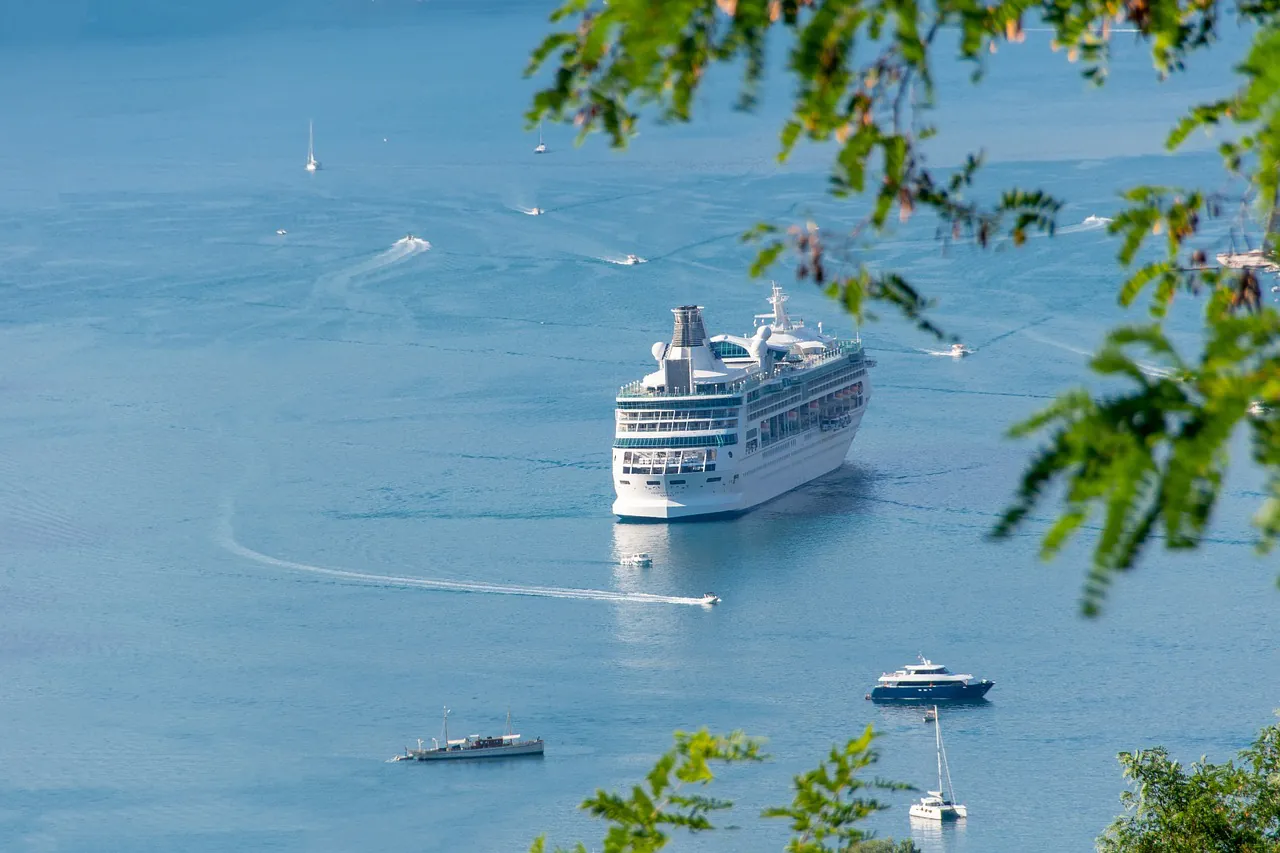
The Geographic Reality: Why Your Ferry Departs from Port Everglades
While marketing brochures frequently list Miami as the primary launch point, commercial high-speed passenger ferries operating on this route dock at Port Everglades in Fort Lauderdale. PortMiami handles major multi-day cruise ships, but fast ferry vessels run out of Broward County to shorten the open-water distance across the Florida Straits. Driving north from Downtown Miami or South Beach to Port Everglades takes thirty-five to fifty minutes under clear conditions along Interstate 95 or the Florida Turnpike.
I reckon this geographic shift throws off dozens of travelers every week. If you book a miami a bahamas ferry ticket through a travel operator, your departure point is physically located at Terminal 21 inside Port Everglades. Knowing this distinction ahead of time eliminates early-morning navigation panic and keeps your schedule on track.
Navigating Transit from Miami: Driving, Rideshares, and Shuttles
Getting to the departure terminal from South Florida accommodation hubs requires planning around early-morning highway patterns. Morning departures demand early call times, which means you will share the road with early commuters and commercial airport traffic near Fort Lauderdale-Hollywood International Airport.
Rideshare (Uber & Lyft)
Rideshares from Downtown Miami or Miami Beach to Port Everglades cost between $65 and $90 one-way under normal demand. Prices spike during early morning peak hours. Always set your destination address specifically to Terminal 21 rather than a generic port entrance, as the port grounds cover hundreds of acres.
Hotel Shuttle Transfers
Many complete day-trip ticket packages include optional hotel pickup options from central Miami locations. These transfers remove driving stress, though they require strict adherence to pre-scheduled pickup times at specified hotel lobbies across Miami Beach and Brickell.
If you prefer to review all travel methods and route specifics before reserving seats, our detailed breakdown on how to get to the Bahamas from Miami lays out transit timelines across every option.
| Transit Method | Origin Area | Estimated Time | Primary Consideration |
|---|---|---|---|
| Rideshare (Uber/Lyft) | Miami Beach / Downtown | 40 – 55 mins | Surge pricing on early morning runs |
| Personal / Rental Car | Miami Metro Area | 40 – 50 mins | Requires port security gate check |
| Organized Tour Shuttle | Designated Miami Hotels | 60 – 75 mins | Fixed pickup window with zero delay leeway |
Port Everglades Access and Parking Logistics
Driving your own vehicle or a rental car gives you direct control over your arrival time. The official departure location for fast ferries like Baleària Caribbean is Terminal 21, located at 2021 Eller Dr, Fort Lauderdale, FL 33316. To reach the terminal efficiently, take Interstate 595 East straight into Port Everglades. The highway leads directly into the security checkpoint gates.
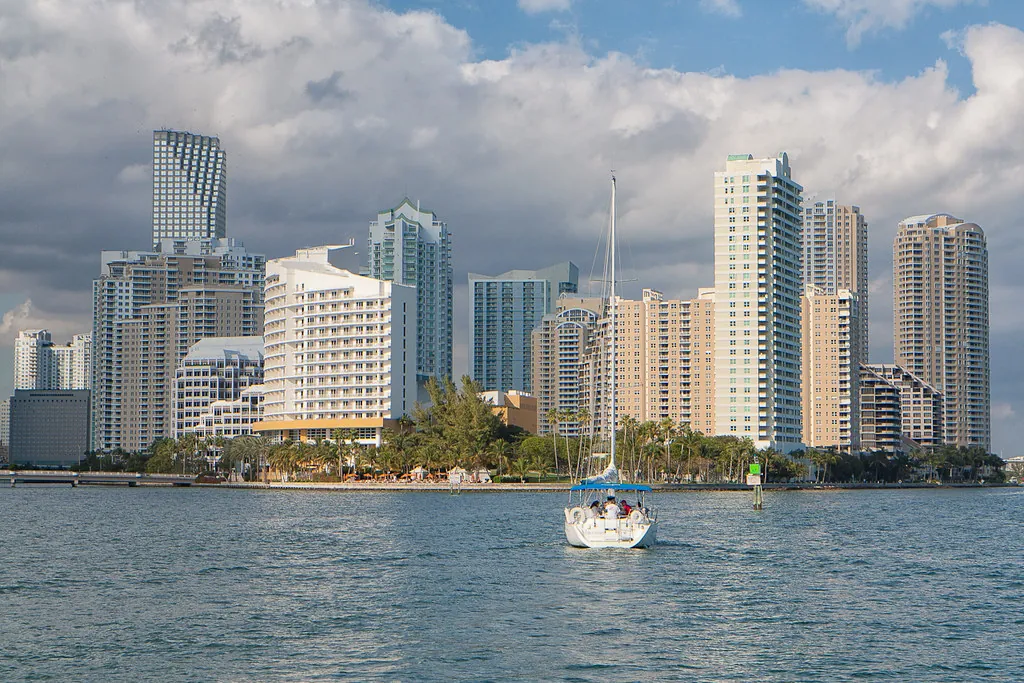
Parking for Terminal 21 sits within the Palm Parking Garage in the mid-port area. Drivers follow Eller Drive east past the security gates, and the multi-level garage appears on the left side of the road. Standard daily parking fees apply, and covered parking keeps your vehicle sheltered from intense coastal sun while you cross the Gulf Stream. Remember to note down your parking level and spot number before walking toward teh passenger terminal building.
Captain’s Advice: Have government-issued photo identification ready for every vehicle occupant before approaching the Port Everglades security gate. Port police inspect IDs for all drivers and passangers entering the harbor grounds.
The Golden Rule of Arrival: The 3-Hour Check-In Window
Maritime check-in rules differ sharply from domestic bus or train travel. The check-in counter at Terminal 21 opens three hours prior to the scheduled departure time, usually starting at 6:00 AM for standard morning sailings. The terminal doors and check-in desks close strictly one full hour before the vessel drops its mooring lines. No late check-ins are accommodated under any circumstances.
Federal regulations mandate that ferry operators submit complete passenger manifests to government authorities prior to departure. Missing the cut-off window means forfeiting your ticket. Arriving at the terminal when doors open gives you time to clear document lines, hand off checked bags, and secure a comfortable seat in the departure lounge without rushing.
Document Control: Passports and Boarding Passes
Crossing international waters into Bahamian territory requires strict documentation. Every traveler must present a valid physical passport at the check-in counter. Passport cards, driver licenses, or birth certificates alone do not meet international maritime clearance standards for non-U.S. closed-loop sailings on fast ferries.
Keep your physical passport open to the biographical photo page alongside your digital or printed booking confirmation. Non-U.S. citizens must verify entry visa requirements for both the Bahamas and re-entry into the United States prior to arrival. Review our full breakdown on passport and entry document requirements to confirm your papers comply with federal standards.
Baggage Drop Guidelines and Onboard Restrictions
Luggage handling at the ferry terminal follows structured weight and size restrictions dictated by carrier ticket classes. Standard ticket tiers generally permit one personal item and one piece of carry-on luggage, while additional or oversized gear incurs extra fees at the counter counter.
Allowed Carry-On Items
- Personal backpacks, purses, or small duffel bags
- Essential medications and travel documents
- Cameras, phones, and personal electronics
- Light jackets or sweaters for air-conditioned cabins
Prohibited Cabin Items
- Outside food and beverages (strictly enforced)
- Coolers or large thermal insulated chests
- Hazardous materials or uncontained liquids
- Unwrapped sharp objects or sport gear
Ferry operators strictly prohibit passengers from bringing outside food or drinks into the passenger lounge and vessel cabins. Onboard concession stands provide drinks, snacks, and warm meals during the ocean crossing. Pack light so your day trip gear remains easy to manage once you arrive at the terminal where the shuttle drops you off at.
Security Screenings and Federal Pre-Clearance
After finalizing your ticket boarding pass and handing over checked luggage, you proceed through security screening inside Terminal 21. U.S. Customs and Border Protection works alongside port security officers to monitor outgoing passenger traffic. Screening procedures mimic airport checkpoints, featuring X-ray scanners for carry-on luggage and metal detectors for passengers.
Bahamian immigration clearance happens upon arrival at your destination port in Bimini or Freeport, but U.S. officers maintain security control over the terminal departure lounge. Ensure you declare any large currency amounts or regulated items before passing through the security gates. For specific operational guidelines, review our comprehensive list of visitor rules and customs guidelines before departing South Florida.
Sea State and Weather Checks: Crossing the Gulf Stream
Current Sea State: Morning crossings through the Gulf Stream typically encounter 2-to-4-foot seas, though strong northerly winds can build short-period chop across the open channel. Fast ferries utilize automatic stabilization systems, but open-water motion remains a real factor during the 50-nautical-mile journey.
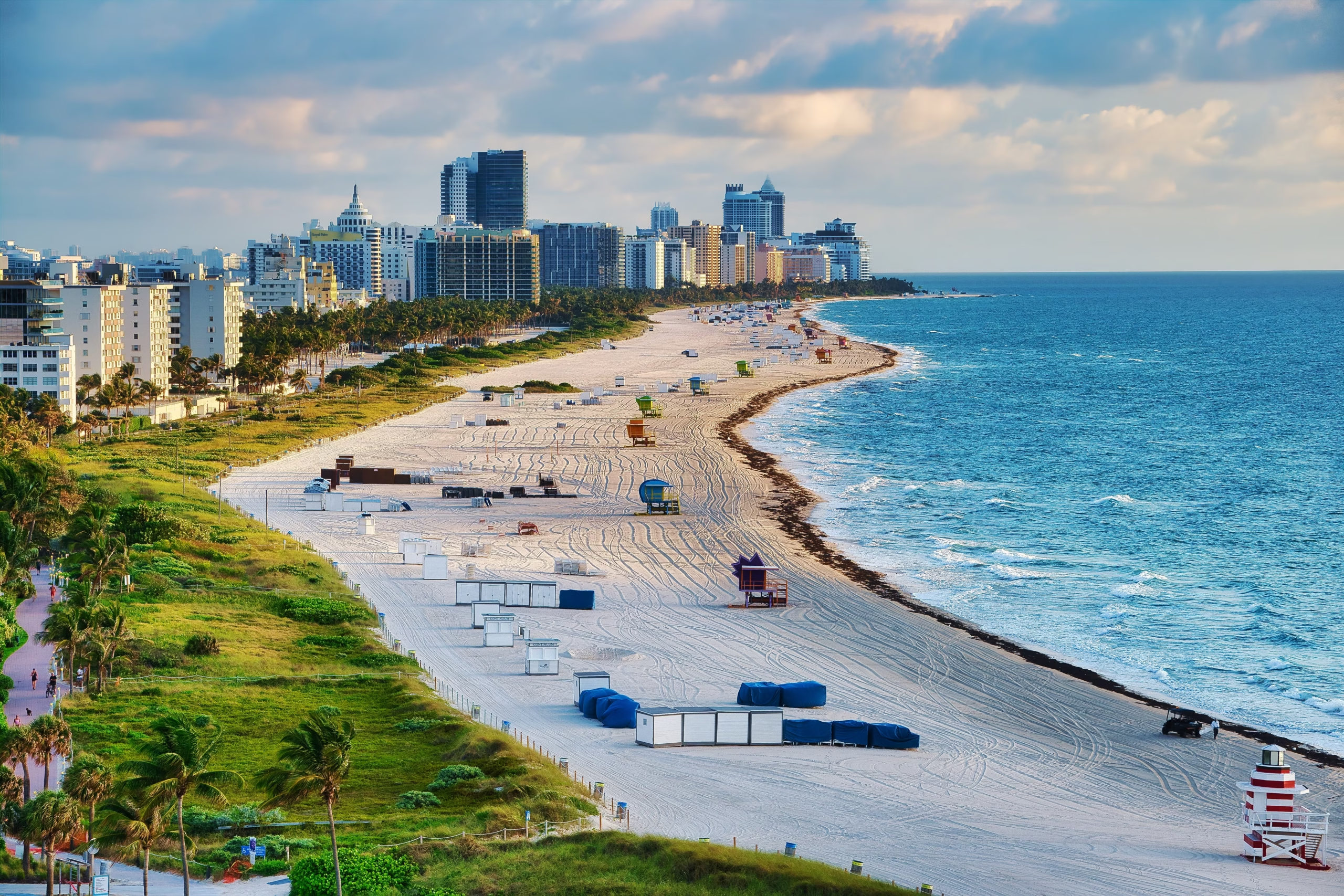
Monitoring marine weather through the National Hurricane Center provides valuable insight into sea conditions hours before departure. If you are prone to motion sickness, take preventive medication at least thirty minutes before boarding the ship rather than waiting until the vessel reaches open ocean. Understanding distance and sea conditions helps keep your crossing comfortable, as detailed in our guide on ferry travel times and nautical distances.
Treat the departure terminal like an inlet buoy line. Respect the rules, stick to the marked channel, and your day trip stays on course from harbor to harbor.
Insider Departure Tips to Avoid Bottlenecks
Smooth trips start with simple habits developed over years on the water. Here are key departure practices to ensure you step off the ferry ready to sample local *conch salad* without administrative delays holding you back:
- Double-check ticket details: Verify that passenger names match passport spellings down to the exact letter prior to departure morning.
- Pre-book parking or rideshares: Reserve Uber or Lyft rides the evening before to avoid morning surge pricing or driver shortages in Miami.
- Keep documents accessible: Store passports and boarding passes in a neck wallet or front pocket rather than packing them deep inside carry-on luggage.
- Dress for dual climates: The vessel interior maintains cold air conditioning, while the outdoor deck and Bahamian ports remain warm and humid.
- Review excursion options early: Plan your island schedule before boarding so you can head straight to beach clubs or island tours upon docking. Check out our recommendations on top day trip activities and excursions to structure your time.
If you have questions regarding ticket inclusions, cancellation policies, or scheduling options across carriers, explore our planning guide or visit our tickets page to compare options before locking in your departure date. Customer support for Baleària Caribbean can also be reached directly at 866.699.6988 for direct ticketing queries.