
Comparing Costs: Ferries, Flights, and Packages for Your Bahamas Escape
Sea State Update: Current Gulf Stream waters are running with a mild two-foot chop, making it an easy morning passage across the channel. Navigating from South Florida to the Bimini island chain requires a sharp pencil and a clear view of your ledger. Island time waits for no one, but it rewards the prepared. Anyone plotting a quick island escape from South Florida faces a tangle of ticket tiers, port taxes, and luggage fees that can drain a travel budget if you aren’t paying attention. I reckon calculating your precise miami bahamas ferry price alongside airfares and private boat charters is the single best way to keep your voyage on steady waters.
Understanding the Geography: Nautical Miles, Flight Paths, and Open Water Realities
Bimini sits roughly 50 nautical miles directly east of Miami. That short distance leads many travelers to assume all transit options are created equal. Crossing the Gulf Stream by sea means contending with deep-water swells, shifting wind currents, and weather windows that can turn a smooth run into a choppy ride. Fast ferries cut through this open sea in about two hours, while commercial aircraft leap over the water in under an hour. Understanding the raw geography helps you evaluate what is the cheapest way to get from miami to the bahamas based on your personal timeline and comfort on open water. You can review detailed route mechanics on our nautical distance breakdowns to see how sea states impact travel time.
High-Speed Ferry Economics: Breaking Down Baleària Caribbean Pricing
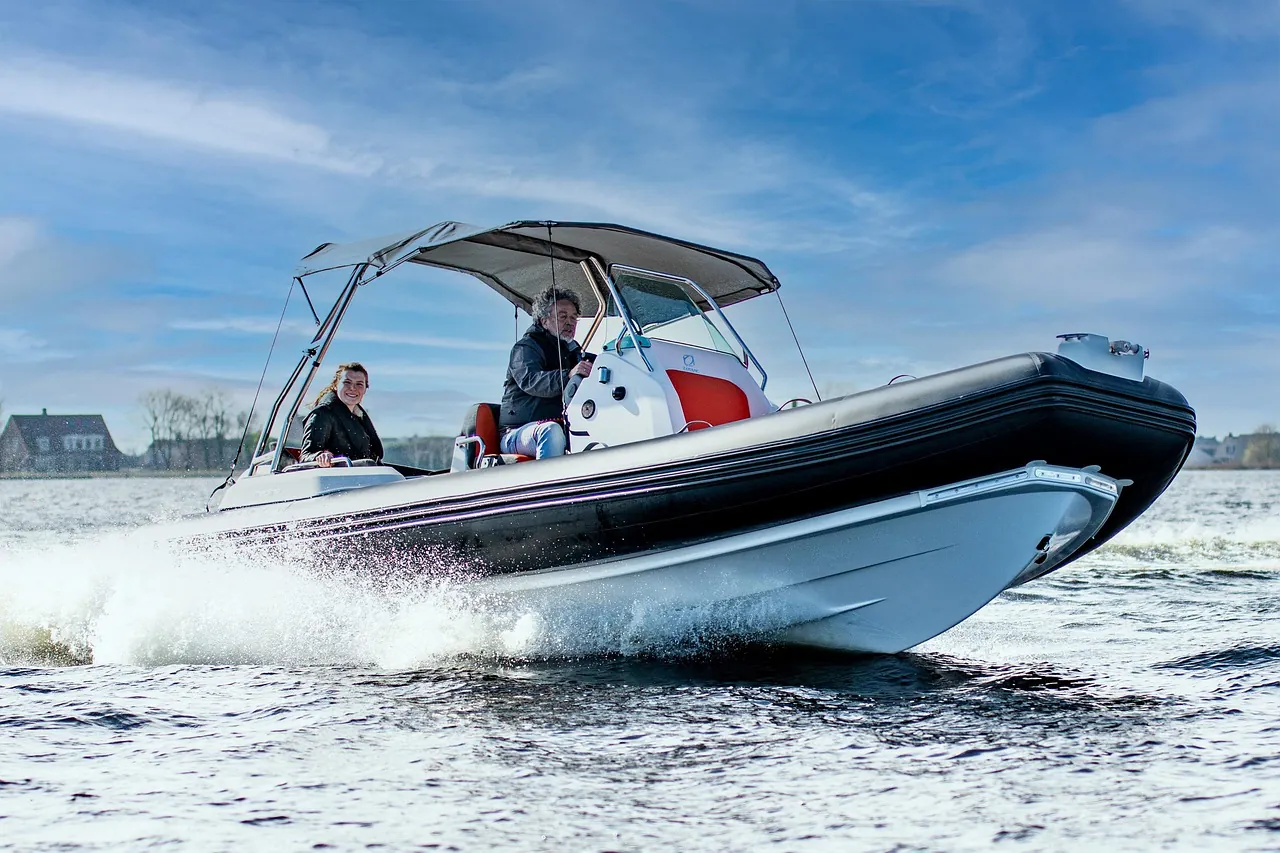
The primary sea route operates out of Port Everglades in Fort Lauderdale, taking passengers across the Gulf Stream to North Bimini. Baleària Caribbean runs high-speed passenger ferries on this path with departure times generally scheduled around 8:00 AM or 9:00 AM. Base round-trip economy fares for standard day trips typically range between $180 and $325 depending on whether you travel during mid-week lulls or weekend surges. Total costs for single-day excursions usually settle between $190 and $225 once mandatory departure taxes and administrative port charges are calculated into the final checkout screen. Upgrading to premium seating adds around $30 each way, which grants access to dedicated lounge space and priority boarding lanes.
Evaluating the total boat from miami to bahamas price means factoring in strict luggage limits. Passengers on day tickets are limited to one personal item under 26 pounds. Bringing a standard roller bag or an oversized cooler incurs extra fees ranging from $30 to $60 per piece. Travelers who fail to pre-book their luggage allowance online pay higher penalties at the port terminal terminal desk, making early planning essential for keeping transit expenses low.
| Transport Mode | Base Round-Trip Range | Average Port/Airport Fees | Luggage Rules | Transit Duration |
|---|---|---|---|---|
| High-Speed Ferry | $180 – $325 | Included in final checkout ($40-$60 value) | 1 personal item under 26 lbs free; $30+ per added bag | 2 Hours (each way) |
| Commercial Airline | $305 – $450 | Included in airfare quote | Standard airline carry-on fees apply | 50 Minutes (direct) |
| Private Boat Charter | $1,500 – $4,200+ | Dockage & Customs entry fees extra ($300+) | Custom capacity based on vessel length | 1.5 – 3 Hours |
Air Travel Realities: Nonstop Flights from Miami International (MIA) to South Bimini (BIM)
Flying directly out of Miami International Airport (MIA) to South Bimini Airport (BIM) trades maritime adventure for pure speed. American Airlines operates direct flights that take roughly 50 minutes from runway takeoff to touchdown. One-way direct flights often start near $128 during shoulder periods, while average round-trip airfares fluctuate between $305 and $450 depending on demand and booking leads. Air travel bypasses the choppy waters of the Florida Straits, making it the preferred route for travelers susceptible to motion sickness.
Flight schedules demand extra buffer time for airport security check-ins and international border procedures. When you land at South Bimini Airport, you must also pay for ground transportation and a short water taxi ride across the harbor to reach North Bimini, where most resorts and beaches are located. These extra transfer steps add approximately $15 to $25 per person to your total door-to-door transit budget.
Captain’s Log: High winds can cancel ferry sailings, but plane seats fill up fast when sea conditions turn sour. Always build a monetary safety margin into your transit plans for unexpected weather shifts.
Private Charters and Boats: Calculating the True Cost of Going Solo
Chartering a private vessel or running your own boat across the ocean gives you complete control over your timetable and destination choices. However, operating a private boat across 50 nautical miles involves severe fuel consumption costs. A modern center-console vessel twin-engine setup burns between 25 and 40 gallons of marine fuel per hour at cruising speeds. With marine gasoline prices running higher at marina docks, fuel alone can easily exceed $500 for a round-trip crossing.
Beyond fuel, private boat operators must clear Bahamian Customs and Immigration upon landing. The Bahamas cruising permit fee for private vessels under 34 feet is $150, while vessels over 34 feet incur a $300 fee. This permit covers clearance for four passengers, with additional fees for extra crew or passengers. Adding captain fees, temporary marina dockage, and tip gratuities pushes total private charter costs into the $1,500 to $4,000 range per day, making this option impractical for solo travelers but viable for small private groups who prioritize custom itineraries over budget efficiency.
Sail & Stay Packages: Unpacking Resort Bundles and Hidden Savings
If you plan to extend your island journey beyond a single day, bundled resort packages offer significant savings over individual reservations. Properties like Resorts World Bimini partner with sea transport carriers to offer Sail & Stay packages. These bundles start around $399 per person and include round-trip ferry transit from Port Everglades alongside a two-night or three-night stay at the resort hotel. Bundling transport and lodging under one rate saves travelers roughly 15% to 25% compared to booking ferry seats and hotel rooms separately.
Single-Day Excursion Budgeting
Single-day trips keep fixed costs low by focusing on quick round-trip transportation and immediate island activities. Your primary line items will be ferry tickets, basic island transport, and meals at local shacks. Learn more about planning your day layout in our on-island excursions guide.
Multi-Day Island Stay Budgeting
Multi-day trips require factoring in nightly resort fees, hotel taxes, multi-day vehicle rentals, and multiple sit-down dining charges. Bundling transport with lodging helps offset overnight accommodation surcharges effectively.
The Hidden Costs Nobody Mentions: Port Fees, Taxes, Transfers, and Gratuities
Advertised headline rates rarely reflect the total cash required to complete the crossing. Ferry companies add processing charges, facility user fees, and Bahamian departure taxes during final checkout steps. These mandatory extras add between $40 and $60 per ticket to base published rates. Missing these additions leads to inaccurate budget projections before you even leave Port Everglades terminal. Review all essential travel conditions in our dedicated visitor entry rules overview.
On-island transfers present another expense stream that travelers often forget about. When arriving at South Bimini Airport, you must take a taxi shuttle to the ferry dock for $5, followed by a water taxi across the channel to Alice Town for $8 per person each way. If you arrive by ferry at the Port of Bimini, taking a tram or private golf cart taxi to reach remote beaches on the north end adds $5 to $15 per ride. Cash is essential for these local connections, as credit card processors frequently drop offline due to island cell network dead zones.
Never judge a trip’s total cost by the advertised ticket price alone. Port charges, luggage tariffs, and ground taxis add up fast once you step foot on teh dock.
Day Trip vs. Multi-Day Excursion: How Duration Dictates Your Budget
Duration changes your budget equation dramatically. A single day trip requires no accommodation spend and eliminates heavy luggage charges, as you carry only a small day pack. However, day trips compress your available island time down to six or seven hours, meaning every dollar spent on island transit must buy maximum speed and convenience. For detailed timing guidelines on morning crossings and return schedules, check out our transportation logistics guide.
A multi-day trip reduces the relative impact of fixed ferry or flight transit costs because those expenses are spread across several days of relaxation. Overnight stays require paying resort fees that average $30 to $50 per night, plus mandatory Bahamian room taxes of 10% to 14%. Food costs also rise when paying for breakfast, lunch, and dinner over multiple days. Deciding between a quick sprint and a multi-day stay ultimately hinges on whether your priority is budget efficiency or maximum relaxation time.
Seasonal Price Swings: Navigating Peak Windows versus Shoulder Season Bargains
Pricing follows predictable seasonal cycles tied to weather patterns and North American vacation schedules. Peak travel seasons run from mid-December through April, as well as holiday weekends during the summer months. During these high-demand periods, round-trip ferry tickets trend toward the upper $300 limit, while flights regularly exceed $400. Hotel room rates in Bimini double during peak spring holiday weeks, and golf cart availability becomes tight unless reserved weeks in advance.
Shoulder season months—specifically September, October, and November—offer the lowest entry prices of the year. Ferry operators run promotional fares dropped down to base prices around $150, and hotel bundles drop significantly. However, late summer and autumn coincide with the Atlantic hurricane season, bringing higher chances of tropical rain storms and sea swells that cause ferry service cancellations. Booking during late April, May, or early June delivers an ideal balance of stable ocean seas, pleasant weather, and reasonable ticket rates.
On-Island Transportation Expenses: Golf Carts, Taxis, and Walking Realities
North Bimini is a narrow island strip roughly seven miles long, making traditional rental cars nonexistent for short-term visitors. The standard way to explore the island is by renting a motorized golf cart. Daily golf cart rental rates run between $50 and $80 per day depending on cart size and seasonal demand. Operators accept valid U.S. driver licenses, and cash payment is widely preferred by local vendors along the Alice Town strip.
Walking is entirely possible if you intend to stay near the ferry arrival terminal or focus your entire trip on the Resorts World complex. However, reaching popular public shores like Radio Beach or historic sites in South Bimini requires vehicular transport. Shared open-air taxi vans offer flat-rate rides between major hubs for $5 to $10 per person, offering a cheaper alternative to renting a full-day golf cart if you only need point-to-point transit.
Food and Drink Budgets: Savoring Local *conch salad* Without Breaking the Bank
Dining on a small island carries higher baseline costs than mainland Miami due to imported supply chains. Resort restaurants charge mainland premium prices, with casual dinner entrees ranging from $28 to $55 per plate. Paying resort menu prices for every meal adds up quickly over the course of a multi-day trip or even a simple day outing.
Seeking out local beach shacks along the water delivers authentic flavor while protecting your wallet. Freshly chopped *conch salad*—a classic Bahamian dish made with raw conch meat, fresh lime juice, sour orange, diced peppers, and onions—costs between $10 and $20 per bowl at roadside stalls. Cold local Kalik or Sands beers sell for $4 to $6 at local shacks compared to $9 or more at high-end resort pool bars. You can read more about island food highlights in our guide to Bimini island highlights.
Choosing Your Vessel: A Captain’s Matrix for Ferries, Flights, and Bundles
Selecting the best travel option comes down to matching your budget limits with your speed requirements and group size. The matrix below breaks down the key performance criteria for each travel method across the Florida Straits.
| Traveler Profile | Recommended Option | Estimated Total Cost per Person | Primary Benefit |
|---|---|---|---|
| Budget Day-Tripper | High-Speed Ferry (Economy) | $190 – $250 | Lowest entry price for a full day on the island |
| Time-Sensitive Traveler | Commercial Flight (AA) | $325 – $480 | Fastest transit time; bypasses sea swells |
| Weekend Getaway Couple | Sail & Stay Resort Package | $399 – $650 (includes hotel) | Best overall value combining sea transit and lodging |
| Private Group / Family | Private Boat Charter | $500 – $1,000+ (shared basis) | Total schedule control and customized dive stops |
Practical Packing Tips and Documentation Essentials to Avoid Costly Fines
Proper documentation is mandatory for all international sea and air crossings. A valid passport is strictly required for U.S. citizens and international travelers entering Bahamian territory. Boarding will be denied at Port Everglades or Miami International Airport without proper passport documentation, and carriers do not issue refunds for paperwork oversights. Check full visa and entry rules on our passport and entry regulations page before buying non-refundable tickets. Official entry requirements can also be verified through the official Bahamas Tourism Ministry portal.
Packing efficiently keeps baggage penalties off your bill. Bring a single lightweight backpack filled with reef-safe sunscreen, swimwear, a light jacket for breezy ferry rides, and adequate U.S. cash. U.S. dollars are accepted at a 1:1 ratio across all islands, eliminating currency conversion fees. Keeping your personal gear light ensures you clear security checkpoints quickly and step onto island sand without unexpected luggage fees.
Conclusion: Island Time Waits for No One, But It Rewards the Prepared
Plotting a smooth crossing from Miami to the Bahamas requires balancing speed, comfort, and actual out-of-pocket expenses. High-speed ferries offer the standard entry point for day trips, while flights provide speed and relief from motion sickness. Sail & Stay packages unlock true value for overnight visitors, and local shacks ensure you enjoy authentic *conch salad* without overspending. Review our full planning overview to map out your upcoming crossing, verify your entry documents early, and chart your course for an unforgettable day on the water.